
When a cavity or small fracture affects a tooth, a modern composite filling does more than simply fill a space — it restores shape, strength, and function while preserving the natural appearance of your smile. Made from advanced resin materials that are matched to your tooth shade, these restorations are designed to blend in visually and to perform under the demands of chewing and everyday use.
Composite materials bond directly to enamel and dentin, allowing the dentist to recreate the tooth's contours with precision. Because the material integrates with the remaining tooth structure, it can help resist future stress and reduce the likelihood of recurrent decay along the margin. For many patients this combination of durability and discreet esthetics makes composite fillings an ideal choice.
At Mansfield Family Dentistry we prioritize treatments that conserve healthy tooth structure while delivering reliable results. For patients who prefer restorations that look natural and maintain function, composite fillings offer a conservative, proven solution that fits well into comprehensive dental care.
One of the primary benefits of tooth-colored composites is their ability to be shade-matched to surrounding teeth, producing an outcome that is difficult to distinguish from natural enamel. Unlike metal restorations, composites contain no mercury or visible metal components, which is important for many patients concerned about both appearance and material composition.
The bonding process that anchors composite to the tooth also allows for a more conservative preparation. Because the material adheres chemically and mechanically to the tooth, less healthy structure typically needs to be removed, preserving more of your natural tooth and maintaining long-term strength. This conservative approach can make a significant difference in the tooth’s prognosis over time.
Beyond looks and preservation, modern composite resins have been engineered to resist wear and discoloration better than earlier generations. While no restoration is maintenance-free, composites give clinicians the flexibility to repair or adjust restorations easily when minor wear or chipping occurs, often without replacing the entire filling.

The procedure for placing a composite filling is deliberate and designed to maximize comfort and predictability. After a careful exam and detection of the affected area, the dentist removes decayed tissue with precision instruments. Local anesthesia is used as needed so you remain comfortable while the tooth is prepared.
Once the cavity is shaped, the tooth surface is treated so the composite can form a strong bond. The resin is applied in thin layers, and each layer is set with a specialized curing light. This incremental approach helps control shrinkage and enables the clinician to sculpt anatomy that restores proper form and function.
After the final layer is hardened, the restoration is shaped and polished to create a smooth surface and comfortable bite. Your dentist will check the way your teeth come together and make any necessary adjustments so the filling feels natural during chewing. If you experience dental anxiety, talk to the team about sedation dentistry options to make the visit more relaxed.
Good oral hygiene and routine dental visits are the foundation of long-lasting restorations. Brushing twice a day with a fluoride toothpaste, flossing daily, and keeping regular checkups help prevent new decay at the margins of a filling. During examinations, your dentist evaluates restorations for wear, leakage, or breakdown so small issues can be addressed early.
It’s not uncommon to experience mild sensitivity to temperature or pressure for a short period after a filling is placed; this usually subsides as the tooth settles. Persistent pain when biting, noticeable roughness, or new dark lines at the edge of the filling are signs that should prompt an evaluation. Early attention often allows for conservative repair rather than full replacement.
With proper home care and periodic professional maintenance, composite fillings can serve well for many years. The lifespan of any restoration depends on factors such as chewing habits, the size and location of the filling, and overall oral health. Your dentist will recommend a personalized recall schedule to monitor restorations and protect your oral health.

Fillings are typically appropriate for small- to medium-sized cavities and minor tooth damage. They’re especially well-suited when the tooth still has substantial healthy structure remaining and the goal is to restore form and function while preserving as much natural tooth as possible. Your dentist will assess the extent of decay or damage and recommend the most conservative, durable option.
For larger areas of breakdown, deep decay close to the nerve, or when a tooth has lost significant structure, alternatives such as inlays, onlays, or crowns may provide better long-term protection. When a tooth’s integrity is compromised, these indirect restorations distribute biting forces more effectively and can extend the life of the tooth beyond what a filling alone could accomplish.
Routine dental visits are the best way to catch problems early and evaluate whether a filling remains the best solution. If you notice changes in color, fit, or comfort around a treated tooth, schedule an appointment promptly so the team can recommend the most appropriate next steps for preservation and function.
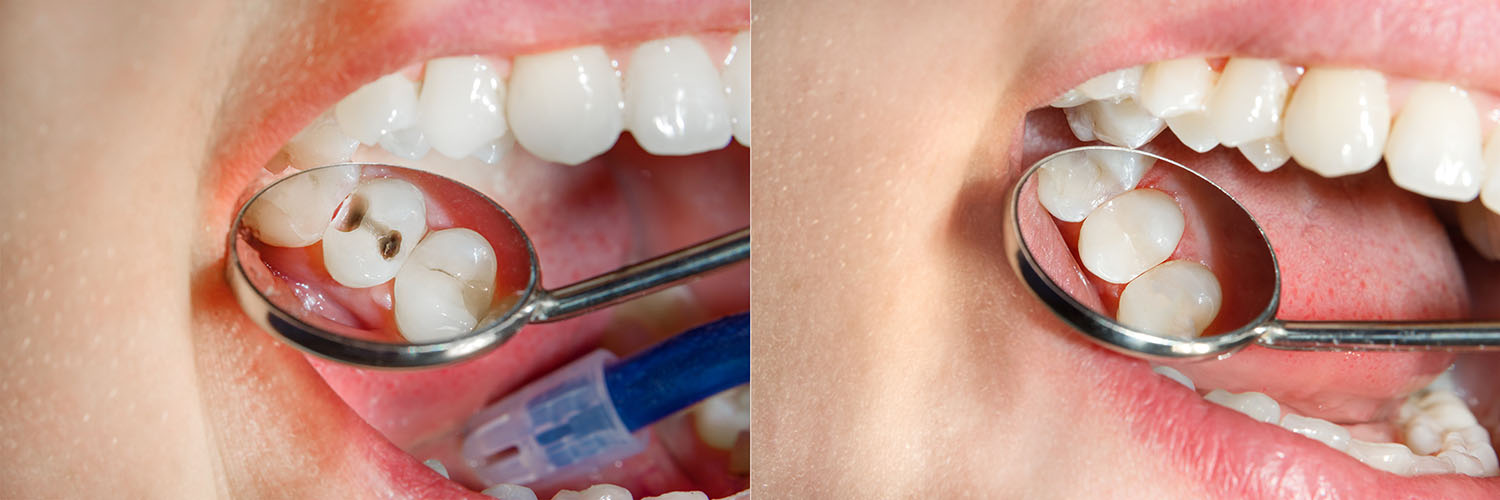
Our approach to restorative care emphasizes conservative techniques, clear communication, and predictable outcomes. If you have questions about composite fillings or want to learn which option is best for your smile, please contact Mansfield Family Dentistry for more information.
Tooth-colored composite fillings are restorations made from a biocompatible resin mixed with glass or ceramic particles to recreate the look and function of natural tooth structure. They are designed to be matched to your enamel shade so the restoration blends discreetly with surrounding teeth. Because composites bond directly to tooth tissue, they can restore form while preserving more of the healthy tooth than many traditional options.
Composite materials provide both aesthetic and functional benefits by allowing clinicians to sculpt contours and repair small fractures as part of a conservative treatment approach. Modern formulations resist wear and discoloration more effectively than earlier generations, which improves longevity and appearance. For patients who prioritize a natural look and a conservative technique, composites are often an ideal choice.
The placement process begins with a careful exam and removal of decayed or damaged tissue using precise instruments, and local anesthesia is used when needed to ensure comfort. The tooth surface is then prepared with a conditioning step so the bonding agent can adhere to enamel and dentin. Composite resin is applied in thin layers and each layer is cured with a specialized light to control shrinkage and build proper anatomy.
After the final layer is hardened, the dentist sculpts and polishes the restoration to achieve a smooth surface and comfortable bite. The clinician checks your occlusion and makes any adjustments so the filling feels natural during chewing. When appropriate, the team will discuss sedation options for patients with dental anxiety to make the visit more relaxed.
Most patients experience minimal discomfort during filling placement because local anesthesia numbs the treatment area and allows the dentist to work precisely. If anxiety is a concern, the practice offers sedation dentistry options that can reduce stress and make the appointment more comfortable for nervous patients. Communicating concerns before the procedure helps the team tailor care to your comfort needs.
It is common to have short-term sensitivity to temperature or pressure after a filling as the tooth settles, and this usually resolves in days to weeks. Persistent sharp pain when biting or prolonged sensitivity should be evaluated so the dentist can determine if an adjustment or additional treatment is needed. Regular follow-up visits let the clinician monitor healing and address any post-treatment concerns early.
The lifespan of a composite filling varies based on factors such as the size and location of the restoration, your chewing patterns, and how well you care for your teeth. Small to medium restorations in low-stress areas commonly last many years when maintained with good oral hygiene and routine dental checkups. Advances in composite materials and bonding techniques have improved durability compared with earlier generations.
Regular dental examinations allow your dentist to detect wear, marginal breakdown, or recurrent decay early so conservative repairs can be made when appropriate. Habits such as grinding, chewing ice, or using teeth as tools can shorten a filling’s life and should be discussed with your provider. With attentive home care and periodic professional maintenance, many composite restorations provide dependable service over time.
Daily oral hygiene is the foundation for protecting fillings and preventing new decay at the margins; brush twice a day with fluoride toothpaste and floss once daily to remove plaque. Limiting frequent sugary or acidic snacks and rinsing with water after meals can reduce the risk of decay around restorations. If you grind or clench your teeth, discuss protective options such as a nightguard to reduce stress on fillings.
Attend regular dental cleanings and exams so your clinician can evaluate the condition of restorations and recommend preventative measures. Avoid using teeth to open packages or bite very hard objects that could damage a filling. Promptly report any rough spots, new sensitivity, or changes in the feel of a treated tooth so the team can assess and correct issues early.
One advantage of composite restorations is their relative ease of repair; small chips, minor wear, or marginal staining can often be addressed without removing the entire filling. Because the material bonds to tooth structure, a trained clinician can add fresh composite to reinforce or reshape the restoration in many cases. Repair is typically quicker and more conservative than full replacement, preserving healthy tooth tissue.
Early detection is important, so routine checkups help identify problems when conservative repair is still possible. In situations where extensive breakdown has occurred or the restoration has lost structural integrity, replacement or an alternative restoration may be recommended. Your dentist will explain the options and choose the most durable, tooth-preserving solution for your situation.
Fillings are ideal for small to medium cavities and minor structural damage when ample healthy tooth remains, but larger areas of decay or fractures may require more protective restorations. In cases where significant tooth structure is lost, indirect options such as inlays, onlays, or crowns can better distribute biting forces and extend the tooth’s functional life. Deep decay that approaches the nerve may also necessitate root canal therapy before restoration to preserve the tooth.
Your dentist will assess the extent of damage using visual examination and imaging and recommend the treatment that offers the best prognosis. The goal is always to use the most conservative option that still provides long-term protection and function. Early care often allows for simpler restorations, so timely evaluation is important.
Composite resins used in dentistry are widely regarded as safe and are formulated to be biocompatible for most patients; they do not contain elemental mercury like traditional amalgam restorations. The materials are cured in layers so they harden into a durable restoration, and clinical studies and regulatory agencies support their use in routine dentistry. Rare allergic reactions to components can occur, and your dentist will review your medical history and concerns before treatment.
If you have specific material sensitivities or medical considerations, discuss them with the dental team so alternative materials or approaches can be considered. Proper placement and finishing reduce the risk of complications and contribute to predictable outcomes. Overall, composite fillings provide a safe, esthetic option for restoring teeth when chosen and placed appropriately.
Composite fillings are initially shade-matched to surrounding teeth to create a seamless appearance, and modern resins are engineered to resist staining better than earlier materials. Good oral hygiene and professional cleanings help maintain color stability at the margins and surface of the restoration. Some staining over many years can occur, especially with heavy consumption of staining foods or tobacco, but routine polishing and maintenance often restore appearance.
If a restoration becomes noticeably discolored or the match is no longer acceptable, the dentist can assess whether polishing, repair, or replacement is the best option. Small adjustments are commonly possible without full replacement, which helps preserve tooth structure. Discuss aesthetic expectations with your dentist before treatment so shade selection and finishing meet your goals.
The evaluation begins with a visual exam, tactile assessment, and diagnostic imaging such as dental x-rays to identify cavities that are not visible on the surface. The dentist also assesses symptoms you may report, such as sensitivity or sharp pain, and examines bite relationships to determine whether a restoration is necessary and what type is most appropriate. Together, these findings guide a treatment plan that balances conservation of healthy tooth structure with durable restoration.
Regular preventative visits are important because early lesions are easier to treat conservatively and may be monitored or managed before a full filling is needed. When a filling is recommended, the team will explain the chosen material, placement steps, and follow-up care so you understand the procedure and expected outcome. Open communication ensures care aligns with your oral health goals and comfort preferences.

Dental Implants, Root Canals, Sedation Dentistry, Tooth Extractions, Porcelain Veneers, Crowns, Dentures, Bridges, Nitrous Oxide, Teeth Whitening, Inlays & Onlays, Bonding, Fillings & Restorations, Dental Sealants, Invisalign®, Sleep and Snoring Issues
Our mission is to transform smiles and lives through exceptional, personalized dental care.
Mansfield Family Dentistry serves the Texas communities of Mansfield TX, South Arlington TX, Watsonville TX, Kennedale TX, Sublett TX, Britton TX, Venus TX, Midlothian TX, Irving TX, Grand Prairie TX, Haltom City TX, Bedford TX, Burleson TX and the Greater Arlington TX Area


