
Our Office
Mansfield Family Dentistry
100 Carlin Road
Mansfield, TX 76063
Phone: (817) 473-0291
Fax: 682-518-1190
Visit Us Online

Keeping your natural teeth is always our first priority, but there are times when extraction is the safest, most predictable way to protect your long-term oral health. Tooth removal can stop the spread of infection, eliminate sources of pain, and prevent damage to neighboring teeth or the jawbone. Our approach balances conservative treatment with clear-eyed judgment about when a tooth can no longer be saved.
Decisions about extractions begin with a careful evaluation—listening to your concerns, reviewing your medical history, and using modern diagnostic tools to understand the full picture. We explain the reasons behind our recommendations and outline what to expect before, during, and after the procedure so you can make informed choices about your care.
Extractions are rarely performed without exploring other options first. When restorative treatment is no longer feasible or when a tooth threatens overall oral health, removing it may be the most responsible course. Throughout the process, comfort, safety, and clear communication guide every step.
Baby teeth that aren’t falling out as expected
Sometimes a primary tooth refuses to loosen because its roots haven’t resorbed or it has become fused to the bone. When a lingering baby tooth blocks the eruption or proper alignment of the adult tooth beneath, removing it at the right time can prevent crowding and future orthodontic complications.
Permanent teeth with irreversible structural damage
A cavity that penetrates deep into the tooth or extensive tooth breakdown from injury can leave too little healthy structure to restore. If the remaining tooth cannot support predictable, long-lasting treatment, extraction protects the surrounding teeth and allows planning for an appropriate replacement.
Fractured teeth that cannot be reconstructed
Teeth can suffer a range of cracks and breaks. When a fracture extends below the gum line or compromises the root, restorative options may be limited. In those cases, removal may be necessary to resolve pain, prevent infection, and enable rehabilitation of the area with restoration or prosthetic replacement.
Teeth compromised by advanced periodontal disease
Periodontal disease progressively destroys the tissues that anchor teeth. When bone loss and gum recession reach a point where a tooth is mobile or hopeless, extraction prevents further decline in neighboring structures and helps prepare the mouth for restorative planning.
Wisdom teeth that are impacted, decayed, or problematic
Third molars are often the last to erupt and may lack adequate space, erupt at an angle, or partially emerge in ways that invite decay and infection. Removing troublesome wisdom teeth—often earlier in life—can avoid pain, cysts, and damage to adjacent molars.
Extractions as part of orthodontic planning
In some orthodontic situations, selective removal of teeth creates the space necessary to align the bite and achieve a balanced, functional smile. When extractions are recommended for orthodontic reasons, we coordinate closely with your orthodontist to ensure timing and tooth selection support the overall treatment goals.

Before any extraction, we perform a thorough exam and review your health history to identify factors that might affect the procedure. This includes medications, medical conditions, and any bleeding or healing concerns. Diagnostic imaging—such as digital radiographs—helps us evaluate root form, bone levels, and the position of adjacent teeth so we can plan the safest approach.
We prioritize comfort at every stage. Local anesthesia is provided to numb the area, and additional options—such as nitrous oxide or other sedation choices—can be discussed for patients who prefer a calmer experience. If you have a systemic condition or take medications that require special handling, we will coordinate care with your physician if necessary.
When complex anatomy, tooth impaction, or other factors make removal more challenging, we may refer care to an oral and maxillofacial surgeon. Referrals are made to ensure you receive the appropriate level of expertise for predictable outcomes and smooth recovery.
We’ll explain pre-procedure instructions clearly—what to eat, when to stop certain medications if appropriate, and any other steps to reduce risks. Our team is available to answer questions so you can arrive calm and prepared.
A simple extraction is used when a tooth is fully visible and the roots are accessible. After thoroughly numbing the area, the dentist gently works to free the tooth from its ligaments and removes it using dental instruments. These procedures are typically efficient, and most patients are surprised by how quick and manageable the experience can be.
We focus on minimizing trauma to the tissues and preserving the surrounding bone when possible. After removal, we provide clear instructions for immediate care and pain management so the initial healing phase proceeds smoothly.
Surgical extractions are required for teeth that are broken at the gum line, impacted, or fused into the bone. In these cases, a small incision may be made in the gum and a tiny amount of bone removed to access the tooth. Bone and soft tissue are handled with precision to allow for adequate access while preserving healthy structures.
Because surgical extractions can be more extensive, recovery may require additional post-operative monitoring and, in some cases, stitches. We discuss what to expect and outline follow-up care to support efficient healing and reduce the chance of complications.
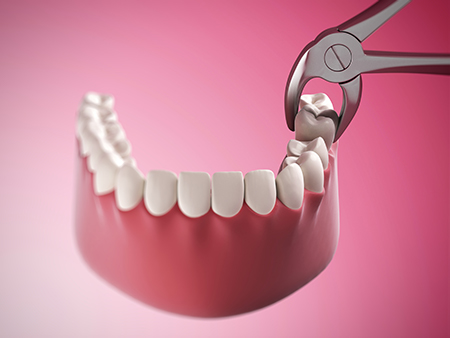
Every patient heals differently, and our post-operative instructions are tailored to the complexity of the extraction and your individual health profile. Typical guidance covers managing bleeding, controlling pain and swelling, and protecting the extraction site so a stable blood clot can form—an essential part of normal healing.
We also discuss diet, oral hygiene, medication protocols, and activity limitations for the first few days after surgery. If sutures are placed, we’ll explain whether they are dissolvable or need removal, and we'll schedule any recommended follow-up visits to monitor your progress.
If you notice concerning signs—such as persistent heavy bleeding, increasing pain after the first few days, fever, or unusual swelling—contact our office promptly so we can evaluate and intervene if needed. Timely communication helps prevent minor issues from becoming more serious.
Maintaining gauze pressure
You will be given gauze to bite on immediately after the extraction. Firm, steady pressure helps stop bleeding and encourages clot formation. Change the gauze as directed, usually after the first hour, and replace it only with clean gauze until bleeding has diminished.
Protect numb soft tissues
Avoid chewing, touching, or playing with your lips, cheeks, or tongue until sensation returns. Numbness can mask injury and lead to accidental bites.
Take medications as directed
Antibiotics:
If prescribed, take the full course exactly as directed to reduce the risk of infection.
Pain control:
A pain reliever started before the local anesthetic fully wears off can reduce discomfort. Follow dosing guidance for over-the-counter or prescription medications and avoid aspirin unless instructed otherwise.
Protect the healing clot
Avoid vigorous rinsing, spitting, using straws, or smoking for several days. These actions can dislodge the clot and delay healing.
Manage swelling
Apply a cold compress intermittently during the first 24 hours to decrease swelling. Heat may be introduced later if recommended.
Avoid tobacco products
Smoking and vaping impair blood clot formation and slow healing. Refrain from tobacco use for at least a week after surgery, or as advised by your clinician.
Choose gentle foods
Stick to cool, soft foods for the first few days. Avoid hot, spicy, or crunchy items that can irritate the extraction site. Keep hydrated with non-carbonated, non-alcoholic beverages.
Brush carefully
Maintain oral hygiene by brushing the rest of your teeth gently and rinsing with a mild saltwater solution when advised. Do not force water or mouthwash into the socket during the initial 24–48 hours.
Keep follow-up appointments
If a follow-up visit is scheduled to check healing or remove sutures, please attend. These visits ensure recovery is on track and allow us to discuss replacement options if appropriate.
If you experience heavy bleeding, intense or worsening pain, fever, or other unexpected symptoms, reach out so we can evaluate your condition and provide prompt care.
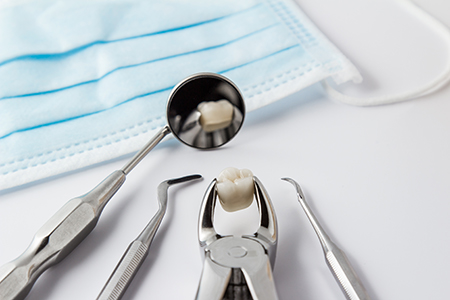
Removing a tooth is often the first step in a larger plan to restore comfort, function, and appearance. After healing, many patients choose to replace missing teeth to preserve chewing efficiency and prevent adjacent teeth from shifting. Replacement options include removable dentures, fixed dental bridges, and dental implants. Implants, in particular, provide a durable solution that closely mimics the feel and function of a natural tooth.
We tailor recommendations to your oral health, anatomy, and personal goals. Whether the plan calls for a temporary prosthesis during healing or a long-term restoration, we present the advantages and considerations of each approach so you can make the best decision for your smile.
Mansfield Family Dentistry combines experience with a conservative philosophy and a commitment to patient comfort. When extraction is the recommended path, our team focuses on predictable techniques, clear communication, and careful follow-up to help you move forward confidently.
Tooth extraction can be an important, even transformative, step toward restoring oral health and comfort. With careful assessment, modern techniques, and thoughtful aftercare, most patients recover smoothly and regain function without complications. If an extraction is recommended, we’ll walk you through each phase and help you plan what comes next.
If you have questions about extractions or would like to discuss how treatment might apply to your situation, please contact us for more information.
Extraction is recommended when a tooth cannot be predictably restored or when it poses a risk to nearby teeth or overall oral health. Removing a tooth can stop the spread of infection, relieve persistent pain, and prevent further damage to the jawbone and adjacent teeth. The decision to extract is made after careful evaluation and only when conservative alternatives are not viable.
Clinicians weigh factors such as the extent of decay, fracture pattern, periodontal support, and the patient’s medical history before recommending removal. Imaging and clinical testing help determine whether restorative procedures like root canal therapy or crowns could succeed. When extraction is chosen, planning for healing and future replacement is part of comprehensive care.
Determining whether a tooth can be saved begins with a thorough dental exam and diagnostic imaging to assess root structure, bone levels, and the extent of damage. The dentist reviews symptoms, the tooth’s restorability, periodontal health, and the patient’s medical history to form an evidence-based recommendation. When conservative treatments are likely to provide durable results, those options are pursued first.
If a tooth has extensive structural loss, an untreatable root fracture, uncontrolled infection, or severe mobility from periodontal disease, extraction may be the most predictable option. The clinical team also considers how preserving or removing the tooth will affect bite alignment and the health of neighboring teeth. Clear communication about the risks and benefits helps patients make informed choices.
A simple extraction is performed on a tooth that is fully erupted and accessible above the gum line, allowing the dentist to loosen and remove it with elevators and forceps. These procedures are typically straightforward after adequate local anesthesia and usually require minimal healing time. Patients often find simple extractions quicker and less invasive than surgical alternatives.
A surgical extraction is required when a tooth is broken at the gum line, impacted, or has roots that are curved or fused to the bone, and access is limited. The clinician may make a small incision in the gum, remove a bit of bone, or section the tooth for safe removal, and sutures are sometimes placed. Surgical cases can require a longer recovery period and additional post-operative monitoring.
Preparation begins with a full medical history and a review of current medications, allergies, and any conditions that affect bleeding or healing. Your clinician will provide specific instructions, which may include fasting guidelines if sedation is planned, and advice about which medications to continue or temporarily pause. Following these instructions reduces risk and supports a smoother procedure.
Arrange for transportation if you will receive sedation, and plan for a short period of rest after the appointment to allow the initial phase of healing. If you have complex medical issues, the dental team may coordinate with your physician to optimize safety. At Mansfield Family Dentistry, we take time to explain pre-procedure steps so patients arrive informed and prepared.
Local anesthesia is the standard method to numb the extraction site and block pain during the procedure, and it is effective for most patients and routine removals. For patients who experience anxiety or require more complex surgery, additional options such as nitrous oxide or monitored conscious sedation can be discussed. The choice of sedation depends on the patient’s health, the complexity of the extraction, and the level of comfort desired.
Before providing sedation, the dental team reviews medical history, current medications, and any airway or respiratory concerns to ensure safety. Patients receiving moderate or deep sedation will need escorted transportation and post-operative instructions that reflect the extended recovery from sedation. If a case requires general anesthesia or advanced surgical access, a referral to an oral and maxillofacial surgeon may be recommended.
Initial recovery typically involves formation of a blood clot at the extraction site, some swelling, and mild to moderate discomfort that peaks within the first 48 hours and then gradually improves. Patients are advised to rest, avoid strenuous activity for a short time, and follow guidelines for managing bleeding and swelling, including use of gauze and cold compresses. Maintaining hydration and eating soft, non-irritating foods supports comfort during the early days of healing.
Oral hygiene should continue with care around the extraction site; gentle brushing of other teeth and saltwater rinses are commonly recommended after the first day or two. If sutures were placed, the team will specify whether they are dissolvable or need removal at a follow-up visit. Promptly report heavy bleeding, rising pain after the first few days, fever, or unusual swelling so the clinician can assess and intervene if necessary.
Dry socket occurs when the protective blood clot becomes dislodged and the underlying bone and nerves are exposed, often causing increased pain several days after extraction. To reduce this risk, avoid actions that create suction in the mouth such as using straws, forceful spitting, or vigorous rinsing for the first few days. Refraining from tobacco use and following all post-operative instructions for gauze changes and activity helps protect the healing site.
If symptoms suggest dry socket or an infection—such as persistent severe pain, a foul taste, or visible bone—contact the dental office promptly for evaluation. Management may include medicated dressings, targeted rinses, and short-term pain control while the area heals. Early communication allows timely treatment and typically leads to predictable resolution.
Replacing a missing tooth is often recommended to restore chewing function, maintain stable alignment of adjacent teeth, and preserve bone volume in the jaw. The timing of replacement depends on the extraction site, healing progress, and the patient’s overall treatment plan; sometimes a temporary prosthesis is used during healing. A thoughtful restoration plan considers the patient’s oral health, anatomy, and long-term goals.
Common replacement options include removable partial dentures, fixed bridges, and dental implants, each with distinct advantages and clinical considerations. Implants are a durable solution that can mimic natural tooth function and help preserve bone, while bridges and dentures provide reliable alternatives when implants are not suitable. Mansfield Family Dentistry discusses these options and tailors recommendations to individual needs and anatomic factors.
Extractions for children often involve primary (baby) teeth that fail to exfoliate naturally or are damaged, and the clinical goals include protecting the developing permanent tooth and supporting proper oral development. Pediatric extractions emphasize behavior management and may use local anesthesia, nitrous oxide, or brief oral sedation depending on the child’s needs. Timing is important when extractions are related to orthodontic development or eruption issues.
For adult patients, extractions may address different concerns such as advanced decay, periodontal disease, or impacted third molars, and treatment planning frequently includes definitive replacement strategies. In both age groups, careful assessment of medical history and collaboration with pediatric dentists or orthodontists ensures that extractions support long-term oral health and function.
Referrals to an oral and maxillofacial surgeon or specialist are appropriate when anatomy is complex, a tooth is deeply impacted, root structures are abnormal, or when extensive bone removal and advanced surgical skills are required. Patients with significant medical conditions, bleeding disorders, or those needing general anesthesia for sedation may also be referred so the procedure can be performed in a setting with the appropriate medical support. Referral decisions prioritize predictable outcomes and patient safety.
Specialists offer advanced imaging, surgical expertise, and sedation options that can be essential for complicated cases, and the referring dentist coordinates care to ensure continuity and appropriate follow-up. When a referral is made, the general dentist and specialist communicate about timing, post-operative plans, and any restoration or replacement work that should follow surgical healing.

Dental Implants, Root Canals, Sedation Dentistry, Tooth Extractions, Porcelain Veneers, Crowns, Dentures, Bridges, Nitrous Oxide, Teeth Whitening, Inlays & Onlays, Bonding, Fillings & Restorations, Dental Sealants, Invisalign®, Sleep and Snoring Issues
Our mission is to transform smiles and lives through exceptional, personalized dental care.
Mansfield Family Dentistry serves the Texas communities of Mansfield TX, South Arlington TX, Watsonville TX, Kennedale TX, Sublett TX, Britton TX, Venus TX, Midlothian TX, Irving TX, Grand Prairie TX, Haltom City TX, Bedford TX, Burleson TX and the Greater Arlington TX Area


