
Invisalign® for Teens

Invisalign® offers a modern alternative to traditional braces: a discreet, computer-designed system of clear aligners that gradually brings teeth into better alignment. For patients who want effective tooth movement without the visual presence of brackets and wires, clear aligners are an appealing option that blends aesthetic discretion with predictable clinical planning.
At Mansfield Family Dentistry, we view Invisalign® as one of several advanced tools for creating healthy, functional smiles. Our approach emphasizes careful diagnosis, clear communication, and a treatment plan tailored to each patient’s goals — whether the priority is improved bite function, better long-term oral health, or a more confident smile.

Invisalign® for Teens

Invisalign® for Brides

Invisalign® for Travelers

Before & After Photos

Invisalign® Videos

FAQs

Invisalign® vs Braces

Invisalign® vs Direct-To-Consumer Aligners

Is Invisalign® Right For Me?

Invisalign® Costs
Clear aligner therapy works by using a series of precisely shaped trays that apply gentle, controlled forces to teeth. Each aligner is designed to accomplish specific movements — tipping, rotating, intrusion, or translation — then is replaced by the next tray in the sequence once the planned change has been achieved. The result is a stepwise progression toward the planned final positions.
Modern aligner systems rely on digital workflows: intraoral scanning, three-dimensional treatment planning, and computer-aided manufacturing of custom trays. This combination allows clinicians to visualize each stage of treatment in advance and to refine the plan where greater precision is needed, improving predictability and reducing surprises during the course of care.
Because the aligners are removable, patients retain normal oral hygiene routines and dietary flexibility while still progressing through treatment. The responsibility of consistent wear is important, and when patients follow the prescribed schedule, aligner therapy can deliver reliable outcomes with minimal disruption to daily life.
Treatment begins with a comprehensive clinical exam and a high-resolution digital scan of your teeth. These images form the foundation for a step-by-step plan that maps tooth movement from the current state to the intended final alignment. The digital model provides a visual preview of how your teeth will change over time.
Using specialized software, the clinician sequences the tooth movements and evaluates potential challenges in three dimensions. Planning tools make it possible to anticipate areas that may require additional support — such as attachments, elastics, or small refinements — and incorporate them into the plan before manufacturing begins.
Because the plan is available for review, patients and providers can discuss expectations, ask targeted questions, and agree on timelines. This shared understanding helps keep treatment efficient and transparent, with scheduled monitoring appointments to track progress and make adjustments if needed.
One of the greatest practical advantages of clear aligners is their removability. Aligners are removed for eating, which means patients can maintain their usual diets without the restrictions commonly associated with fixed braces. After meals, a quick brush and rinsing keeps the aligners and teeth clean, supporting oral health throughout treatment.
Aligners should be worn for the prescribed number of hours each day — typically most of the waking day — to ensure steady progress. Most patients adapt quickly to the sensation of wearing trays; initial tightness is normal as teeth begin to move, and any discomfort tends to lessen after the first few days with a new aligner in the series.
Care and maintenance are straightforward: rinse aligners before reinserting them, brush them gently with a soft toothbrush, and store them in a protective case when not in use. Regular check-ins with the dental team allow for monitoring of tooth movement and address any questions about fit, hygiene, or comfort.
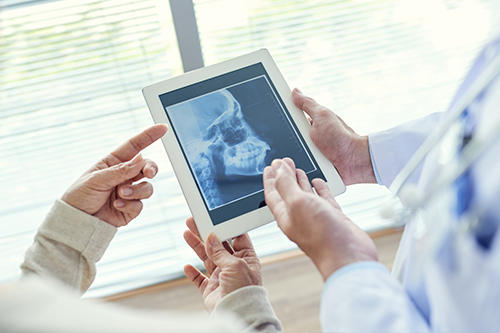
The first visit focuses on detailed assessment. We review medical and dental history, take diagnostic images and scans, and discuss your goals. This helps us determine whether clear aligner therapy is appropriate and allows us to identify any preliminary treatments that might be needed.
During this appointment, we’ll explain the steps involved and show you how treatment integrates into your overall dental care. Clear communication at this stage sets the foundation for a smooth experience throughout the process.
If aligners are suitable, we’ll capture precise digital records to begin the planning phase. These records are essential for mapping the sequence of aligners and anticipating any adjunctive measures that will support successful movement.
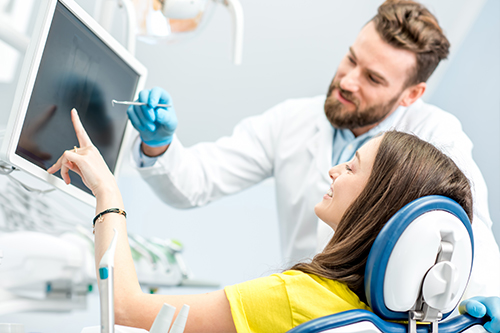
Once scans are complete, a customized treatment plan is created using computerized simulations. These visuals illustrate the expected progression of tooth movement and give a clear sense of the likely end result.
This preview is a valuable planning tool: it allows the clinician to refine movements, anticipate trade-offs, and make decisions about attachments or staging that improve efficiency. You’ll see a visual representation of how your smile will evolve during treatment.
When the design meets clinical and aesthetic goals, the sequence is approved and production of the aligners begins, ensuring that every tray aligns with the agreed plan.
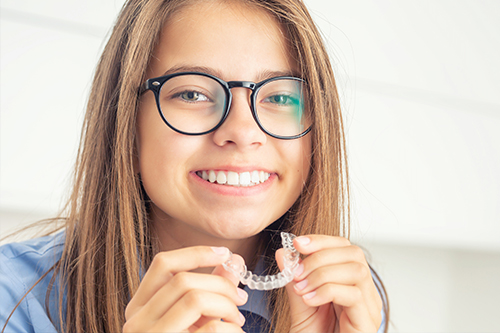
Your aligners are manufactured to match the digital prescription exactly. At the delivery appointment, we review how to insert and remove trays, discuss the wear schedule, and demonstrate maintenance routines that protect both the aligners and your oral health.
Adapting to a new aligner typically involves brief adjustment periods. We provide guidance on managing any initial soreness, and we schedule follow-up visits to verify fit and progress through the prescribed stages.
Ongoing communication and timely check-ups help us keep treatment on course and address any small refinements that may be necessary along the way.

Finishing the active phase of aligner wear is a milestone, but maintaining the result is an essential part of orthodontic care. We discuss retainers and follow-up monitoring to help preserve alignment over time and protect the investment in your smile.
Retention strategies are personalized: the provider will recommend the best approach based on the final tooth positions and individual risk factors for relapse. Clear guidance on retainer wear and routine dental care supports lasting outcomes.
Throughout, our team remains available to answer questions and coordinate any additional restorative or cosmetic steps that enhance both function and appearance.
Explore the true stories and journeys of several Invisalign® patients
*Invisalign® is a registered trademark of Align Technology, Inc.
Invisalign® represents a precise, technology-driven path to tooth alignment that blends clinical control with a discreet patient experience. If you have questions about whether clear aligner therapy fits your needs or want to learn how it might integrate with other aspects of your dental care, contact us for more information. Our team at Mansfield Family Dentistry will be glad to discuss the process and help you decide on the next steps.
Invisalign® is a clear aligner system that straightens teeth using a series of custom-made, removable trays rather than fixed brackets and wires. Each tray is designed to move teeth incrementally toward the planned final positions, and the sequence of trays is manufactured from a digital treatment plan. The removable nature of the trays preserves normal eating and most oral hygiene routines while treatment is active.
Unlike traditional braces, aligner therapy relies on computer-guided staging and digital scanning to visualize each step of movement in advance. This digital workflow allows clinicians to simulate outcomes, plan adjunctive measures, and make adjustments before production. The result is a highly planned approach that emphasizes predictable staging and minimal visual interruption during daily life.
Clear aligners move teeth by applying light, controlled forces to specific teeth through the geometry of each tray and, when needed, through small composite attachments bonded to tooth surfaces. Each aligner is slightly different from the previous one, so wearing them in sequence produces the intended tooth movements such as tipping, rotation, intrusion, or translation. The gradual progression reduces trauma and allows the surrounding bone and soft tissues to adapt to change.
Precision is enhanced by digital tools including intraoral scanning, three-dimensional treatment planning software, and computer-aided fabrication of aligners. These technologies allow the clinician to evaluate tooth movement in three dimensions, anticipate difficult movements, and incorporate features like attachments or staging modifications into the plan. Ongoing monitoring during appointments ensures that the actual response aligns with the planned progression and allows targeted refinements when necessary.
Many adults and teens with mild to moderate crowding, spacing, or bite concerns are suitable candidates for Invisalign®; however, candidacy depends on a comprehensive clinical evaluation. Factors such as periodontal health, missing teeth, extensive restorations, and the severity of the malocclusion all influence whether aligner therapy is appropriate. A clinical exam and digital records help determine which orthodontic approach will best meet an individual patient's functional and aesthetic goals.
Some complex movements may require adjunctive techniques or alternative orthodontic options, but modern aligner systems can address a wide range of concerns when planned correctly. The clinician will discuss potential limitations, the need for attachments or elastics, and any preliminary restorative or periodontal work that should be completed before starting. Shared decision-making ensures the selected treatment aligns with the patient’s expectations and oral health priorities.
The initial consultation begins with a thorough review of medical and dental history, a clinical exam, and high-resolution digital scans or impressions of the teeth. These records form the basis of a three-dimensional treatment plan that sequences tooth movements and previews the expected outcome. The consultation also includes a discussion of oral health needs that should be addressed before orthodontic movement, such as cavities or gum concerns.
Using specialized software, the clinician refines the staging, determines whether attachments or interproximal reduction are required, and evaluates any need for elastics or other adjuncts. Patients are shown visual simulations to set realistic expectations and to agree on the orthodontic goals and monitoring schedule. Once the plan is approved, the aligners are fabricated to match the agreed sequence and the delivery appointment is scheduled.
Good aligner care begins with removing trays for eating and drinking anything other than water, then brushing and rinsing teeth before reinserting the aligners to avoid trapping food and bacteria. Aligners should be rinsed regularly and cleaned gently with a soft toothbrush or approved cleaning solution to prevent staining and odor. Avoid hot water or abrasive cleaners that can warp or damage the trays.
Storing aligners in a protective case when not in use prevents loss or accidental contamination, and maintaining routine dental cleanings and exams helps protect gum and tooth health throughout treatment. If you notice fit issues, persistent odor, or staining that won’t rinse away, contact the dental team promptly so the situation can be assessed. Regular communication with the clinician ensures hygiene protocols are effective and that oral health remains stable while the teeth move.
Most patients find that aligners fit comfortably into daily routines because they are removable and nearly invisible, allowing usual meals and social interactions without metal brackets. Initially, new aligners can cause a brief period of tightness or soreness as teeth begin to move, but this sensation typically subsides within a few days. Some people notice a temporary change in speech while adjusting to the trays, but adaptation usually occurs quickly.
Adherence to the prescribed wear schedule is essential for steady progress, and the practice will provide guidance on how often to change trays and when to check in for monitoring. Keeping spare aligners and a protective case on hand can minimize disruptions while traveling or during busy days. With proper habits, aligner therapy has limited impact on lifestyle and oral care routines.
Attachments are small, tooth-colored composite bumps bonded to selected teeth to give the aligners a better surface to push against for certain movements, and they are a common component of many aligner plans. Elastics may be prescribed in cases that require correction of bite relationships between the upper and lower teeth, and interproximal reduction (IPR) can be used when slight space adjustments are needed to improve alignment. Each adjunct is evaluated and planned digitally to support the overall treatment goals.
The clinician will explain the purpose of any attachments or auxiliaries during the planning phase so patients understand how they contribute to predictable movement. Attachments are designed to be discreet and are removed or polished at the completion of active treatment. Clear communication about these elements helps patients prepare for the practical aspects of wearing and caring for them throughout therapy.
Treatment duration varies widely based on the complexity of the tooth movements required, the presence of adjunct procedures, and individual biological response to orthodontic forces. Straightforward cases that require limited movement can conclude more quickly, while more complex bite corrections or sequential movements may extend the timeline. Consistent compliance with the recommended wear schedule is one of the most important factors in achieving the planned timing.
Other influences on treatment length include the need for refinements after the initial series of aligners, the time required for any preparatory restorative or periodontal care, and the patient’s overall oral health. Regular monitoring appointments allow the clinician to verify progress and implement adjustments that help keep the treatment efficient and on track. A personalized estimate is provided after the diagnostic records are reviewed so expectations are clear before work begins.
Retention is an essential part of any orthodontic outcome because teeth can shift over time after active movement concludes, and a retention plan is developed to preserve the result. Options include removable retainers that are worn according to a prescribed schedule or bonded fixed retainers that provide continuous stabilization of specific teeth. The choice of retainer depends on the final position of teeth, patient preferences, and risk factors for relapse.
Follow-up visits help the clinician evaluate retainers, monitor stability, and recommend adjustments if minor movement occurs. Long-term maintenance often includes periodic clinical exams and reinforcing oral hygiene to support the health of teeth and gums. Clear expectations about retainer wear and routine care improve the likelihood of lasting alignment.
To begin, schedule an initial consultation at Mansfield Family Dentistry where the clinical team will review your dental and medical history, perform an exam, and capture detailed digital scans for treatment planning. During that visit the clinician will discuss your goals, present a customized digital treatment simulation when appropriate, and explain any recommended adjuncts or preparatory care. This collaborative review helps determine candidacy and sets expectations for the process.
If you decide to proceed, the digital plan is finalized and the aligner series is fabricated to match the agreed staging, with delivery and instruction scheduled at a follow-up appointment. The practice provides monitoring throughout active treatment and guidance on retention strategies to preserve results after the aligners are complete. Clear communication and continuity of care ensure that the chosen plan aligns with your oral health needs and aesthetic goals.

Dental Implants, Root Canals, Sedation Dentistry, Tooth Extractions, Porcelain Veneers, Crowns, Dentures, Bridges, Nitrous Oxide, Teeth Whitening, Inlays & Onlays, Bonding, Fillings & Restorations, Dental Sealants, Invisalign®, Sleep and Snoring Issues
Our mission is to transform smiles and lives through exceptional, personalized dental care.
Mansfield Family Dentistry serves the Texas communities of Mansfield TX, South Arlington TX, Watsonville TX, Kennedale TX, Sublett TX, Britton TX, Venus TX, Midlothian TX, Irving TX, Grand Prairie TX, Haltom City TX, Bedford TX, Burleson TX and the Greater Arlington TX Area

