
If your dentist recommends a root canal, there’s no reason to panic. Modern root canal treatment is predictable, comfortable, and focused on relieving pain while preserving your natural tooth whenever possible. In many cases, root canal therapy allows patients to avoid extraction and maintain the look, feel, and function of their smile.
Our team combines gentle care with up-to-date techniques to make the experience as smooth as possible. At Mansfield Family Dentistry we prioritize patient comfort and clear communication so you understand each step of the process and feel confident in your care.
When the living tissues inside a tooth—the pulp—become infected or irreversibly damaged, removing that damaged tissue and sealing the canals can often preserve a tooth that would otherwise need extraction. Keeping your natural teeth helps maintain proper bite, jaw joint health, and the natural contours of your face.
Root canal treatment has a strong track record of success. Advances in instrumentation, sanitizing solutions, and materials have made it possible to thoroughly clean and seal complex internal anatomy with minimal discomfort. A treated and properly restored tooth can function for many years, often for the remainder of a patient’s life.
Choosing a conservative approach like root canal therapy also helps protect neighboring teeth. Extracting a tooth can lead to shifting, bite changes, and the need for replacement options such as bridges or implants. When a tooth is a good candidate for endodontic treatment, preserving it is typically the best long-term strategy for oral health.

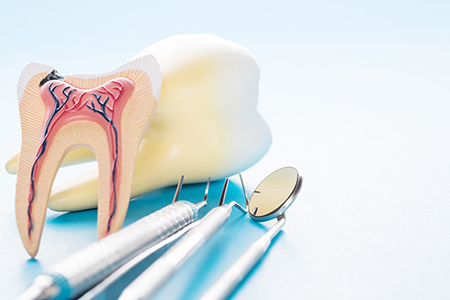
Teeth are more than hard enamel and dentin. Inside each tooth is a chamber that houses the dental pulp: soft connective tissue that contains nerves and blood vessels. The pulp helps a developing tooth form and plays a role in sensing temperature and pressure. Once the tooth is mature, it can survive without a living pulp as long as the root system is cleaned and sealed properly.
Infection reaches the pulp most commonly through deep decay, a crack or fracture, or a traumatic injury that exposes internal tissues. When bacteria invade, the pulp can become inflamed and then necrotic (dead). This can produce persistent pain, heightened sensitivity, or sometimes no obvious symptoms at all while damage progresses.
Left untreated, an infected root canal system can allow bacteria to spread to the surrounding bone and soft tissues, potentially forming an abscess. The goal of root canal therapy is to remove the infection, disinfect the canal spaces, and seal them to prevent reinfection—restoring a healthy environment around the tooth.
Although not every twinge or ache requires endodontic treatment, certain signs commonly indicate that a tooth may need evaluation. Below are some of the clearer warning signals to watch for:
Pain that won’t settle—especially pain that wakes you from sleep or persists between dental visits—is a common reason patients need endodontic care. This type of discomfort often reflects inflammation or infection of the pulp.
An exaggerated or prolonged reaction to hot or cold foods and beverages can signal pulpal irritation. If sensitivity lasts long after the stimulus is removed, it’s a sign to have the tooth evaluated.
Swelling of the gum near a tooth, a pimple-like bump, or any drainage from the area can indicate an abscess. These symptoms point to infection that needs timely professional care.
A tooth that becomes darker or shows odd discoloration after trauma or over time may have lost pulp vitality. Color changes frequently accompany internal changes and are worth a prompt look.

Prompt evaluation and treatment help limit the spread of infection and make procedures more predictable. When a problem is caught early, treatment is often simpler and recovery faster. Radiographs taken during routine exams sometimes reveal problems before symptoms become severe, which is one reason regular checkups are important.
Delaying care can allow an infection to grow and affect the bone supporting the tooth, increasing the complexity of treatment and the risk of complications. In some situations, more extensive surgery or extraction may become the only option if a tooth is neglected long enough.
If your dentist recommends root canal therapy, it’s usually because preserving the natural tooth offers the best balance of function and oral health. Acting sooner rather than later typically leads to less discomfort overall and reduces the chance of needing more invasive interventions.
Root canal treatment today is performed with tools and techniques designed to clean and seal the internal canals thoroughly while keeping patients comfortable. The tooth is numbed with local anesthesia, an opening is made to access the infected tissue, and specialized files are used to remove the pulp and shape the canals for disinfection.
After cleaning, the canals are disinfected and filled with a biocompatible material; the access cavity is temporarily sealed. Depending on the tooth’s complexity and whether an active infection is present, a root canal may be completed in a single visit or may require two appointments to manage infection and ensure proper healing.
Following treatment, mild soreness or tenderness is normal as surrounding tissues recover. Over-the-counter pain relievers usually manage most discomfort. Your dentist may recommend avoiding chewing on the treated tooth until a permanent restoration—oftentimes a crown—has been placed to protect the tooth from fracture and restore full function.
Proper aftercare supports a smooth recovery and long-term success. Maintain good oral hygiene by brushing and flossing regularly, follow any instructions about medications, and schedule follow-up appointments so your dentist can monitor healing and place the definitive restoration when appropriate.
Antibiotics may be prescribed when there is significant infection; if given, complete the full course as directed. If you notice increasing pain, persistent swelling, or a return of symptoms after treatment, contact the office so your dentist can evaluate the situation and provide timely attention.
When a root canal-treated tooth receives an appropriate permanent restoration and regular preventative care, it often functions for many years. With careful attention and routine dental visits, treated teeth can remain a reliable part of a healthy smile.
In summary, root canal therapy is a well-established, tooth-preserving option that relieves pain, eliminates infection, and helps you retain your natural smile. If you have any concerns about tooth pain, sensitivity, or a recent injury, please contact us to learn more about your options and how we can help.
A root canal is a dental procedure that removes infected or damaged pulp from inside a tooth and seals the canal spaces to prevent reinfection. The primary goal is to relieve pain and preserve the natural tooth so it can continue to function in the mouth. By maintaining the tooth structure, a root canal helps protect surrounding teeth and supports proper bite and jaw alignment.
Root canal therapy uses biocompatible filling materials and a final restoration, often a crown, to strengthen the treated tooth. Modern techniques and instruments allow dentists to clean and shape complex internal anatomy more effectively than in the past. When performed and restored properly, a root canal-treated tooth can last for many years with routine care.
A dentist may recommend a root canal when the dental pulp becomes inflamed, infected, or necrotic due to deep decay, a crack, or trauma. Symptoms that prompt evaluation include lingering pain, heightened sensitivity to hot or cold, swelling, or a visible bump on the gums. Radiographs and clinical tests help determine whether the infection has reached the pulp and whether endodontic treatment is appropriate.
Choosing a root canal often preserves the natural tooth and avoids the need for extraction and replacement, which can affect adjacent teeth and bite relationships. Treating the infected canal system removes the source of infection and helps restore a healthy oral environment. Early intervention usually simplifies treatment and improves the prognosis for the tooth.
A modern root canal begins with local anesthesia to ensure the tooth and surrounding tissues are numb, followed by an access opening to reach the pulp chamber and canals. Specialized files and irrigation solutions are used to remove infected tissue, clean the canal system, and shape the canals for filling. Once disinfected, the canals are sealed with a biocompatible material and the access cavity is temporarily sealed until a permanent restoration is placed.
Depending on the tooth's complexity and the presence of active infection, treatment may be completed in one visit or scheduled over two visits to manage infection and monitor healing. Advanced tools such as digital radiography and magnification can improve accuracy and predictability. After the canals are sealed, a crown or other restoration is typically recommended to protect the tooth from fracture and restore full function.
With modern anesthesia and techniques, most patients experience little to no pain during the procedure; the treatment is intended to eliminate the source of pain caused by infection or inflammation. Some soreness or tenderness in the treated area is common for a few days as surrounding tissues heal, and this can usually be managed with over-the-counter pain relievers and simple self-care. Serious pain after treatment is uncommon but should be reported to the dentist for evaluation.
For patients with dental anxiety or special needs, sedation options may be discussed to improve comfort during treatment. Effective communication about medical history, current medications, and pain concerns helps the dental team tailor anesthesia and sedation appropriately. Follow-up care and timely placement of the permanent restoration also help minimize discomfort and protect the tooth.
Treatment time varies by the tooth involved, the complexity of its canal anatomy, and whether active infection is present; many root canals can be completed in one to two appointments. Simple cases on front teeth often require less time, while molars with multiple canals or curved anatomy may take longer or need additional visits. Your dentist will explain the anticipated timeline based on clinical findings and any imaging taken.
When infection is significant, an initial visit may focus on controlling infection and placing medication before completing the canal filling at a subsequent appointment. After the root canal portion is finished, a follow-up visit for a permanent restoration, such as a crown, is usually scheduled to restore strength and function. Completing the restorative phase promptly reduces the risk of fracture or reinfection.
To prepare, follow any specific instructions your dentist provides about medications, pre-treatment rinses, or fasting for sedation. Eat a light meal if you will not be sedated, arrive with a list of current medications and medical conditions, and arrange for a ride if you will receive moderate sedation. Clear communication about allergies, recent illnesses, and blood-thinning medications helps the team plan safe care.
If you have dental anxiety, discuss relaxation or sedation options ahead of time so the team can make appropriate arrangements. Bring any questions about the procedure, expected recovery, and restoration timing so you feel informed and comfortable. Preparing in advance supports a smoother appointment and better overall experience.
After a root canal, it is normal to experience mild soreness or sensitivity for a few days as the tissues heal, and over-the-counter analgesics typically control discomfort. Avoid chewing on the treated tooth until your dentist places the permanent restoration to reduce the risk of fracture. Maintain excellent oral hygiene by brushing gently and flossing around the area to support healing and overall oral health.
Follow any prescribed instructions regarding medications or a soft-food diet during the first 24 to 48 hours if recommended. Monitor the site for increasing pain, swelling, or drainage and contact the dental office if symptoms worsen or fail to improve. Regular dental checkups and timely placement of a crown or restoration are key to the long-term success of the treated tooth.
The longevity of a root canal-treated tooth depends on the quality of the endodontic work, the subsequent restoration, and ongoing oral hygiene habits; many treated teeth function for decades when properly restored and cared for. A protective crown is often recommended for back teeth to prevent fracture and distribute biting forces more evenly. Routine dental exams and good home care help detect potential issues early and support long-term success.
In some cases a treated tooth may require retreatment or surgical intervention if new infection develops or anatomy prevents complete initial cleaning. Prompt attention to changes in comfort or function improves the likelihood of salvaging the tooth. With timely restorative care and regular maintenance, root canal-treated teeth can remain a reliable part of a healthy smile.
Extraction or replacement with an implant may be recommended when a tooth is severely fractured, has extensive bone loss, is non-restorable, or when previous root canal therapy has failed and retreatment is unlikely to succeed. A vertical root fracture or insufficient remaining tooth structure are common reasons a tooth cannot be predictably saved. The dentist will evaluate clinical and radiographic findings to determine whether preservation or replacement offers the better long-term outcome.
When extraction is the chosen path, the team will discuss appropriate replacement options and the steps involved for restoring chewing function and appearance. The decision balances short-term needs and long-term oral health considerations, including the impact on adjacent teeth and bite. Your dentist will explain the pros and cons of each approach so you can make an informed choice.
The practice emphasizes patient comfort, clear communication, and modern techniques to make root canal treatment as predictable and gentle as possible for every patient. Clinicians use up-to-date instruments, digital imaging, and proven protocols to diagnose accurately and treat the internal anatomy of teeth with precision. A supportive team approach helps patients understand each step of care and what to expect during treatment and recovery.
Choosing a provider who prioritizes minimally invasive care and timely restoration improves the long-term success of a treated tooth. If you have symptoms or have been advised to consider endodontic treatment, the team can evaluate your situation, explain options, and recommend the most appropriate plan for preserving oral health. Your comfort and a durable outcome are central to the recommended treatment pathway.

Dental Implants, Root Canals, Sedation Dentistry, Tooth Extractions, Porcelain Veneers, Crowns, Dentures, Bridges, Nitrous Oxide, Teeth Whitening, Inlays & Onlays, Bonding, Fillings & Restorations, Dental Sealants, Invisalign®, Sleep and Snoring Issues
Our mission is to transform smiles and lives through exceptional, personalized dental care.
Mansfield Family Dentistry serves the Texas communities of Mansfield TX, South Arlington TX, Watsonville TX, Kennedale TX, Sublett TX, Britton TX, Venus TX, Midlothian TX, Irving TX, Grand Prairie TX, Haltom City TX, Bedford TX, Burleson TX and the Greater Arlington TX Area


